DIY Backyard Chicken Coop Run
Uitgelicht onder: Eenvoudige snelle maaltijdencollectie
Building my own chicken coop run has been a rewarding experience for me. I wanted to create a safe and spacious area for my hens to roam freely while keeping them protected from predators. With just a few materials and some elbow grease, I designed a run that not only meets their needs but also enhances the aesthetic of my backyard. I learned that the key to a successful chicken run is ensuring it’s secure and well-ventilated, so they can enjoy the fresh air without fear of danger.
When I decided to build a chicken coop run, I was excited but also a bit intimidated. I researched different designs and materials and ultimately chose a simple fenced area with a sturdy roof. What worked best for me was using treated wood and chicken wire to create a safe enclosure that’s easy to maintain.
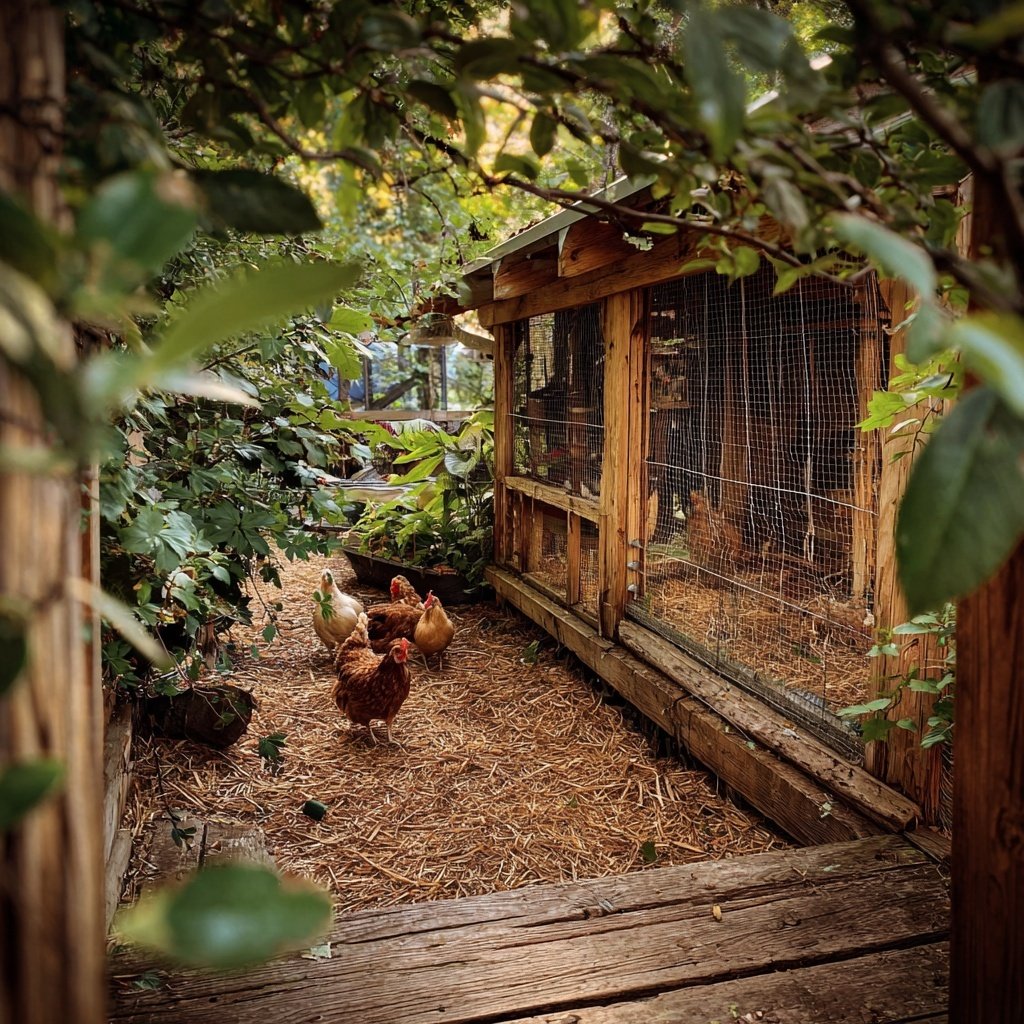
One of the best parts of this project was adding some fun elements like perches and dust baths, giving my chickens more to do. I also realized that ensuring proper drainage was crucial, so I sloped the ground and elevated the coop slightly to prevent flooding. It’s been a joy watching them thrive in their new home!
Why You'll Love This Chicken Coop Run
- Provides a safe, spacious environment for your hens
- Enhances your backyard's charm with a rustic look
- Easy to customize based on your backyard layout and chicken needs
Choosing the Right Location
Selecting an ideal spot for your chicken coop run is crucial for both the chickens' health and your convenience. Consider a location that receives adequate sunlight throughout the day, as this helps maintain a dry environment and keeps your hens comfortable. Additionally, avoid areas prone to flooding or heavy winds; a slight slope can facilitate drainage, protecting your henhouse and run from moisture buildup.
Access to fresh grass is also beneficial for your hens’ diet, supplementing their feed with natural foraging options. If possible, choose a location near a water source for easy access during hot weather. Ensuring the coop run is easily reachable allows for regular maintenance and interaction with your flock, enhancing your experience as a chicken keeper.
Securing the Coop Run
Predators pose a significant threat to backyard chickens, making security a top priority in your coop run design. In addition to sturdy chicken wire, consider placing hardware cloth along the bottom edges to deter digging predators like raccoons and foxes. This extra layer offers peace of mind while your chickens enjoy their space. Ensure all seams are tightly secured to prevent any escape or entry.
Regular inspections are essential after completion. I recommend checking the integrity of the wire and frame every few months, especially after storms or extreme weather. Look for signs of wear and tear or potential weak points in the fencing. Maintaining a secure environment not only protects your chickens but also contributes to their well-being and longevity.
Enhancing Chicken Comfort
Inside the coop run, consider adding enrichment features that cater to your hens’ natural behaviors. Perches, for instance, allow chickens to roost and feel secure, promoting healthy sleeping patterns. Be sure these are about 2-3 feet off the ground with a sturdy design that can support their weight, preventing any falls that could lead to injury.
Dust baths also play an essential role in maintaining your chickens' health by allowing them to cleanse their feathers and control parasites. A simple mix of dirt, sand, and DE (Diatomaceous Earth) creates an ideal dust bath that not only keeps the feathers clean but also provides a fun activity for the flock. Incorporating these elements will keep your chickens active and content.
Ingrediënten
Materials Needed
- Treated wood for framing
- Chicken wire
- Wood screws
- Metal roofing sheets
- Hinges
- Latches
- Concrete blocks
- Plywood for the coop floor
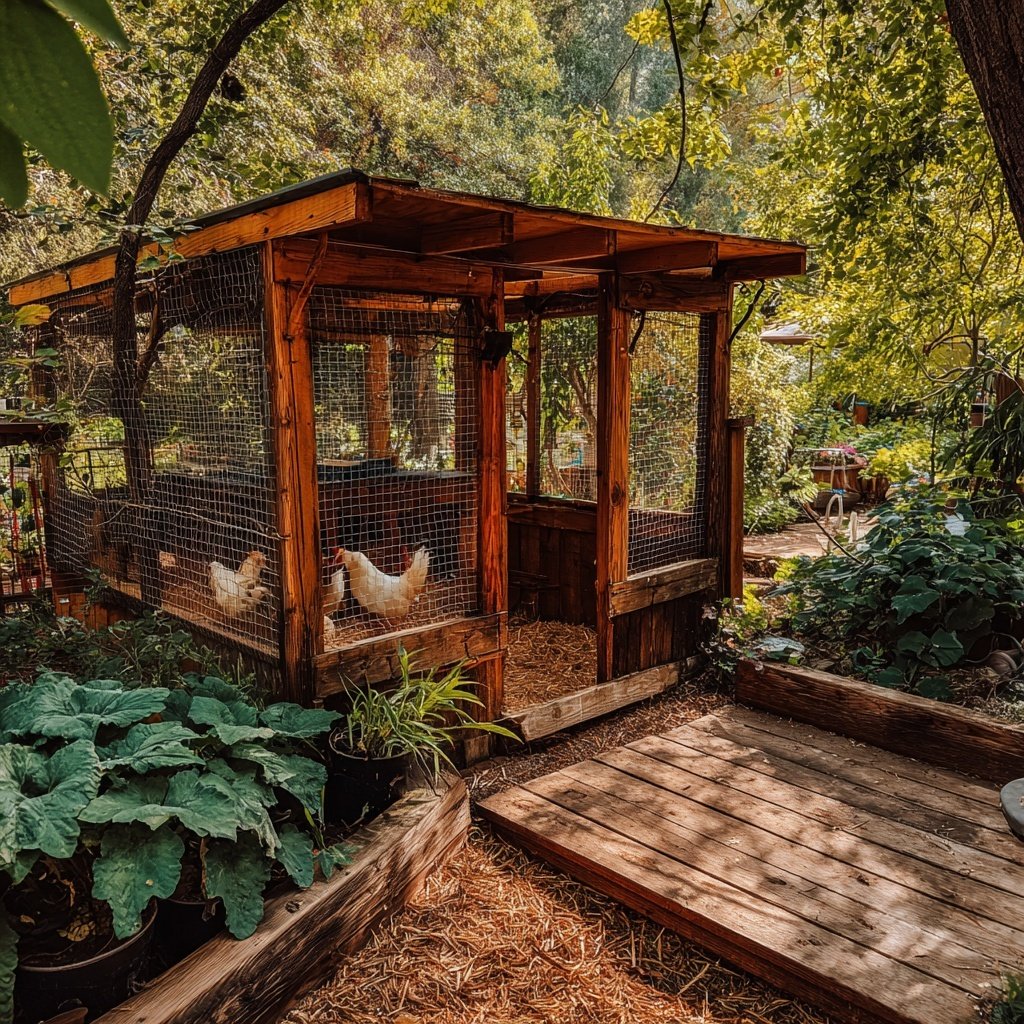
Steps to Build Your Chicken Coop Run
Plan the Layout
Sketch out your chicken coop run's dimensions on paper. Measure the area in your yard where you want to place your coop and determine how many chickens you have to calculate the space requirements.
Construct the Frame
Using treated wood, build a rectangular frame for the base of your chicken coop run. Securely screw all corners together, ensuring it’s sturdy.
Attach the Chicken Wire
Once the frame is complete, roll out the chicken wire around the frame and staple it into place. Make sure there are no gaps where predators could enter.
Add the Roof
Install the metal roofing sheets on top of the run to provide shelter from rain. Secure them tightly using hinges and latches for easy access.
Set Up the Interior
Inside the run, create perches from leftover wood and add a dust bath using dirt or sand. This will keep your chickens healthy and happy.
Final Touches
Check for any loose wires or gaps before putting your chickens in. Make it a fun space with toys or climbing structures if desired.
Professionele Tips
- Ensure the coop run has proper drainage to avoid flooding. Regularly check for wear and tear on the wire and repair any damages immediately to maintain security.
Care and Maintenance Tips
Proper maintenance of your chicken run will ensure a long lifespan and a healthy environment for your hens. Regularly clean the run by removing droppings and leftover food. This not only eliminates odors but also minimizes the risk of diseases. Consider dedicating time each week to perform a thorough clean-out, which will help keep your chickens safe and happy.
Keep an eye on the condition of the chicken wire and wooden structure. If you notice any rust on metal components or wood starting to rot, replace those parts immediately to maintain security. A sturdy, well-maintained setup will help you avoid unexpected costs and stress down the line.
Seasonal Adjustments
As seasons shift, your chicken coop run might require some adjustments to accommodate changing weather conditions. In the winter months, consider adding a windbreak or insulation to areas exposed to harsh winds. Straw bales or tarps can effectively block out cold weather while allowing for airflow, preventing frostbite on your hens.
During hotter months, ensure there is enough shade within the run to protect your chickens from overheating. A simple canopy can provide necessary relief from the sun. Incorporate shallow water containers to keep birds cool and hydrated, especially on blistering days. Seasonally evaluating your coop setup can help you provide the best living conditions for your flock.
Connecting with Your Flock
Creating a backyard chicken run isn’t just about structure—it's also about fostering a connection with your hens. Spending time around their run allows them to get accustomed to your presence, which is vital for their comfort and trust. I often spend a few minutes each day sitting quietly near their run to help them feel secure with human interaction.
Consider incorporating small routines, such as feeding or checking on their water supply, to establish a bond. Over time, you might find your chickens grow comfortable with being handled, making tasks like health checks and grooming much easier. Engaging with your flock enhances their well-being and ensures a thriving backyard environment.
Vragen Over Recepten
→ How much space do my chickens need?
Each chicken needs approximately 10 square feet in an outdoor run. This allows them enough room to roam and forage.
→ Can I build a chicken coop run on a hard surface?
Yes, but consider adding a substrate for comfort and dust baths, such as sand or dirt, to encourage natural behaviors.
→ What should I do to protect my chickens from predators?
Use heavy-duty chicken wire, bury wire at the base, and consider using a roof to prevent aerial predators.
→ How often should I clean the chicken run?
It's best to clean the run every week, removing waste and uneaten food to keep it sanitary and reduce odors.
DIY Backyard Chicken Coop Run
Gemaakt door: Rachel Green
Recepttype: Eenvoudige snelle maaltijdencollectie
Vaardigheidsniveau: Beginner
Eindportie: 1
Wat je Nodig Hebt
Materials Needed
- Treated wood for framing
- Chicken wire
- Wood screws
- Metal roofing sheets
- Hinges
- Latches
- Concrete blocks
- Plywood for the coop floor
Stappen
Sketch out your chicken coop run's dimensions on paper. Measure the area in your yard where you want to place your coop and determine how many chickens you have to calculate the space requirements.
Using treated wood, build a rectangular frame for the base of your chicken coop run. Securely screw all corners together, ensuring it’s sturdy.
Once the frame is complete, roll out the chicken wire around the frame and staple it into place. Make sure there are no gaps where predators could enter.
Install the metal roofing sheets on top of the run to provide shelter from rain. Secure them tightly using hinges and latches for easy access.
Inside the run, create perches from leftover wood and add a dust bath using dirt or sand. This will keep your chickens healthy and happy.
Check for any loose wires or gaps before putting your chickens in. Make it a fun space with toys or climbing structures if desired.
Extra Tips
- Ensure the coop run has proper drainage to avoid flooding. Regularly check for wear and tear on the wire and repair any damages immediately to maintain security.
Voedingswaarde (Per Portie)
- Calories: 0 kcal
- Total Fat: 0g
- Saturated Fat: 0g
- Cholesterol: 0mg
- Sodium: 0mg
- Total Carbohydrates: 0g
- Dietary Fiber: 0g
- Sugars: 0g
- Protein: 0g